
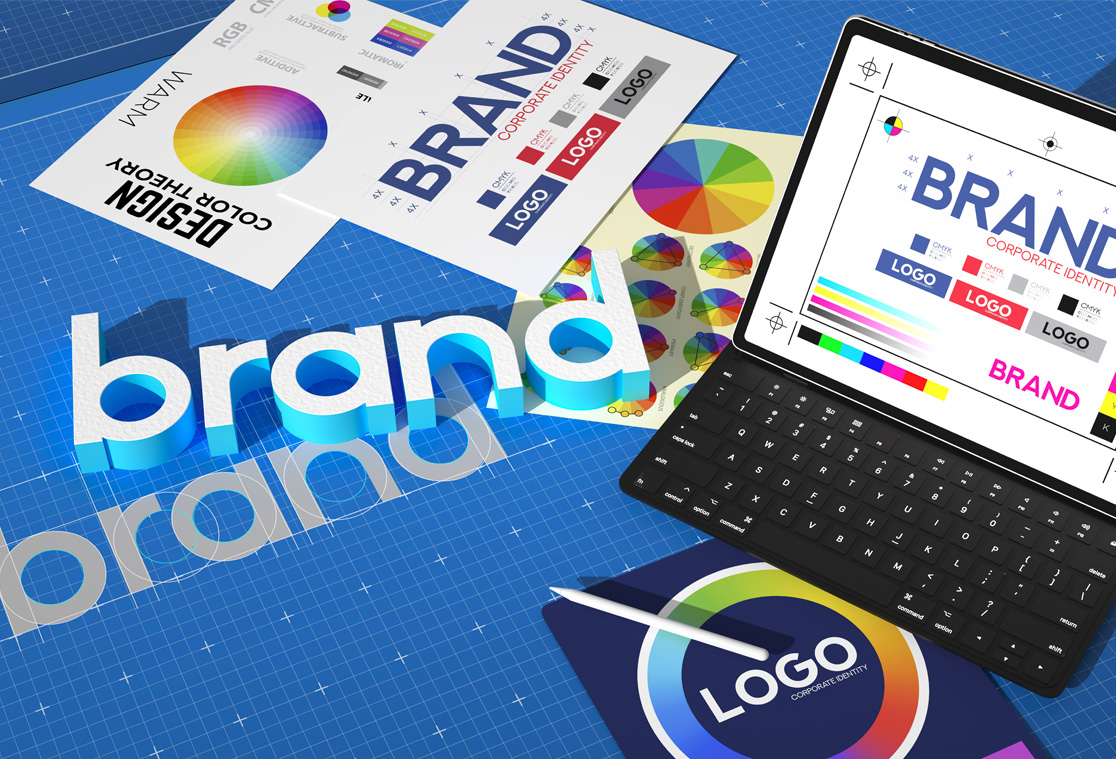
In today's fast-paced digital landscape, a strong and consistent brand is more important than ever. Your brand is more than just your logo; it's the sum of all the experiences a customer has with your company. From your website and social media profiles to your marketing materials and customer service interactions, every touchpoint contributes to your brand's perception. But how do you ensure that every touchpoint is consistent and on-brand? The answer lies in a comprehensive and accessible digital style guide.
A digital style guide, also known as a brand guide, is a centralized document that outlines all of your brand's visual and verbal elements. It's the single source of truth for your brand's identity, providing clear instructions on how your brand should be presented to the world. A well-crafted style guide will typically include:
- Logo usage guidelines: This section should specify how your logo can and cannot be used. It should include rules for clear space, minimum and maximum sizes, and color variations. It should also provide examples of incorrect logo usage to avoid.
- Color palette: Your brand's color palette is a crucial part of its visual identity. Your style guide should define your primary and secondary colors, providing their exact color codes (e.g., HEX, RGB, CMYK, and Pantone).
- Typography: This section should outline your brand's typefaces, including the fonts to be used for headings, subheadings, and body copy. It should also specify font sizes, weights, and spacing.
- Imagery guidelines: The imagery you use should be consistent with your brand's personality and values. Your style guide should define the style of photography and illustration to be used, providing examples of on-brand and off-brand imagery.
- Tone of voice: Your brand's tone of voice is the way it communicates with its audience. Your style guide should define your brand's personality and provide guidelines on the language to be used in all written communications.
Why is a Digital Style Guide so Important?
A digital style guide is not just a "nice-to-have" document; it's an essential tool for building a strong and consistent brand. Here are some of the key benefits of having a digital style guide:
- Ensures brand consistency: A style guide ensures that your brand is presented consistently across all channels and touchpoints. This consistency helps to build brand recognition and trust.
- Saves time and money: By providing clear guidelines, a style guide can save your team time and money. It eliminates the need for guesswork and ensures that everyone is on the same page.
- Empowers your team: A style guide empowers your team to create on-brand materials without needing to constantly seek approval. This can help to foster a culture of brand stewardship within your organization.
- Facilitates collaboration: A style guide is an essential tool for collaborating with external partners, such as freelancers, agencies, and vendors. It ensures that everyone is working from the same playbook.
In the past, brand style guides were often created as static PDF documents. However, in today's digital world, a static PDF is no longer sufficient. A digital style guide should be a living, breathing document that is easily accessible and updatable. This is where a brand management platform can be invaluable. A platform like PolyPrism allows you to create a dynamic, interactive style guide that can be easily shared with your team and external partners. It also allows you to manage all of your brand assets in one central location, ensuring that everyone is always using the most up-to-date versions.
Investing the time and resources to create a comprehensive digital style guide is one of the most important things you can do to build a strong and successful brand. It's the foundation upon which all of your branding and marketing efforts should be built.